Why Flatbed Trucking Pays More
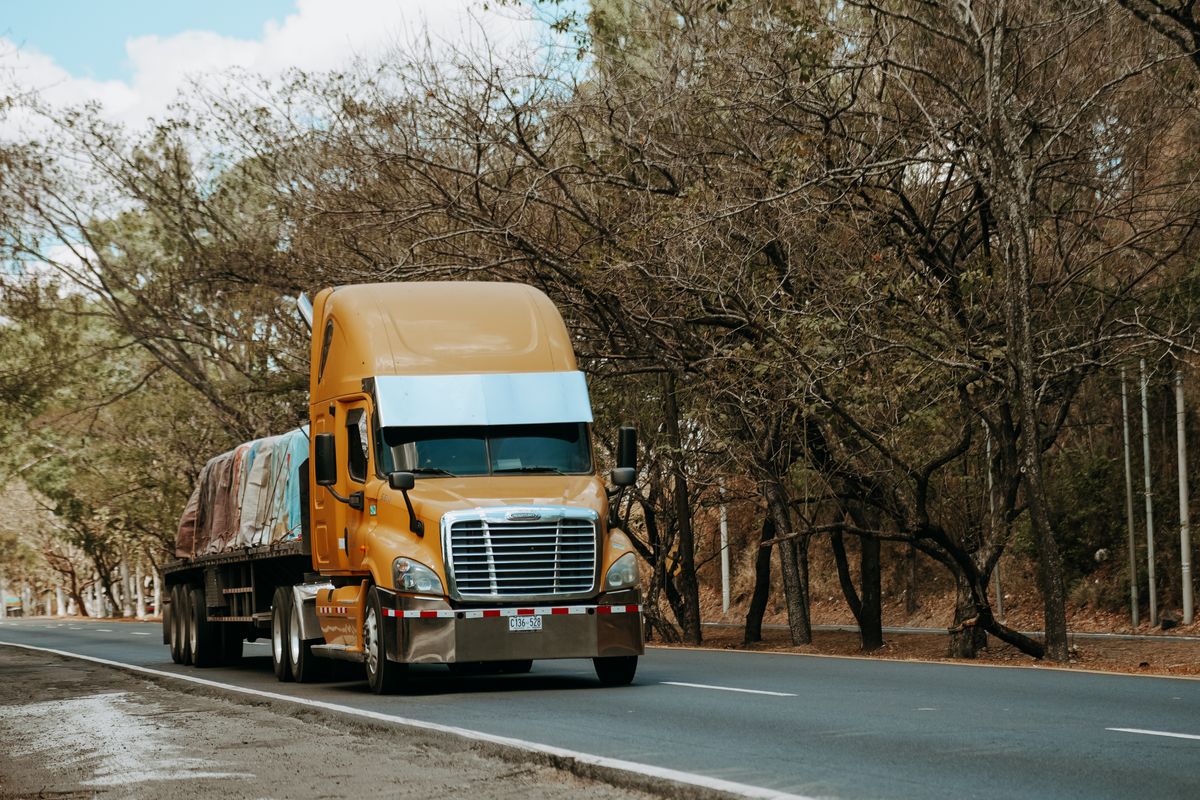
Flatbed trucking consistently pays $0.20-$0.50 more per mile than dry van. The reasons are simple: flatbed requires more skill, specialized equipment, and physical labor (securing and tarping loads). Fewer drivers want to do it, so demand keeps rates higher.
Average flatbed rates run $2.80-$3.80/mile compared to $2.40-$3.20/mile for dry van in most markets.
Types of Flatbed Equipment
| Equipment Type | Length | Max Weight | Best For |
|---|---|---|---|
| Standard Flatbed | 48-53 ft | 48,000 lbs | Steel, lumber, machinery |
| Step Deck (Drop Deck) | 48-53 ft | 48,000 lbs | Tall freight over 8.5 ft |
| Lowboy (RGN) | 20-29 ft | 80,000 lbs | Heavy equipment, cranes |
| Double Drop | 25-29 ft | 45,000 lbs | Extra-tall machinery |
| Conestoga | 48-53 ft | 48,000 lbs | Weather-sensitive flatbed |
Top Flatbed Freight Types
- Steel coils and sheet metal — heavy, dense, good rates
- Lumber and building materials — consistent volume, especially in housing boom
- Construction equipment — excavators, forklifts, generators
- Agricultural equipment — tractors, combines, planting equipment
- Wind energy components — blades, towers, nacelles (specialized)
- Manufactured housing — modular homes, mobile homes
- Military freight — government contracts, excellent rates
Tarping Requirements
Most flatbed loads require tarping to protect freight from weather and road debris. Common tarp types:
- Smoke tarp — covers front of load to protect from exhaust and road debris
- Steel tarp (lumber tarp) — heavy duty, covers entire load
- Machinery tarp — custom shaped for equipment
Tarping is physical work. A full tarp job on a 48-foot load takes 30-60 minutes and requires climbing on the load. This is why flatbed pays more — and why many drivers avoid it.
Securement Requirements
Federal regulations (49 CFR Part 393) require all flatbed loads be properly secured. Key rules:
- Minimum one tie-down for every 10 feet of cargo
- Working load limit of all tie-downs must be at least 50% of cargo weight
- Edge protection required where tie-downs contact sharp edges
- Chocks and wheel blocks required for wheeled equipment
Improperly secured loads result in massive fines and personal liability if the load shifts and causes an accident.
Best Lanes for Flatbed
Flatbed freight concentrates around industrial and agricultural areas:
- Texas — oil field equipment, steel, construction
- Midwest — agricultural equipment, manufacturing
- Southeast — lumber from mills, construction materials
- Pennsylvania/Ohio — steel mills, heavy industrial
Getting Started in Flatbed
To haul flatbed as an owner operator:
- CDL-A required (same as dry van)
- No special endorsements required for standard flatbed
- Oversize/overweight permits required for loads exceeding legal dimensions
- Budget $2,000-$5,000 for tarps, straps, chains, binders, and edge protectors
- Consider load bars, dunnage bags, and blocking lumber for cargo control
Finding Flatbed Loads
The best sources for consistent flatbed freight:
- Direct shipper relationships — steel mills, lumber yards, equipment dealers
- Flatbed-focused brokers — Coyote, Echo, Landstar, XPO
- DAT and Truckstop load boards — filter specifically for flatbed
- Dedicated contracts — manufacturing plants that need consistent coverage
TruxlyOS integrates with DAT and Truckstop so you can search flatbed loads directly from your dispatch dashboard, with AI scoring each load for rate quality and deadhead efficiency.